Composition
About the Program
SJSU's School of Music's Composition and Music Technology programs offer intensive studies in music composition and technology at the undergraduate and graduate levels.
Undergraduate students are guided through a series of studies designed to develop skills in contemporary compositional techniques and musical vocabularies. The lower-division courses are exploratory in nature, focusing on intricacies of various methods and musical styles. In upper-division courses, developing an individual style in emphasized. Students receive weekly individual lessons with outstanding artist/teacher faculty, and participate in a weekly Composers Forum, often featuring prominent guest composers from around the world.
The outlets for performance of compositions are numerous: from student performers dedicated to performing new works, to formal ensembles that perform original works by student composers, to professional ensembles in the Bay Area with whom the School has cooperative agreements for performances of student works. Under instructor supervision, students create electro-acoustic compositions using the latest computer technology. In addition, through our collaboration with the Department of Film and Theatre, and the Digital Art Media area of the Art Department, students collaborate in the development of original projects for visual and digital media.
Graduate students prepare a series of original compositions, culminating in a substantial work for large, often mixed ensemble, with or without technology. Graduate students receive weekly private lessons, enroll in graduate theory and history seminars, often participate a Teacher Assistants or tutors for undergraduate music courses.
Degrees Offered
- Bachelor of Music in Composition
- Bachelor of Arts in Music, (optional emphasis in Music Technology)
- Masters of Music in Composition
- Minor in Music (optional emphasis in Music Technology)
Faculty
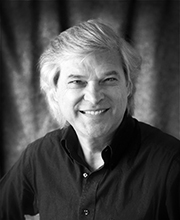 Dr. Pablo Furman
Associate Director; Composition Area Coordinator; Keyboard Area Coordinator
408-924-4646
pablo.furman@sjsu.edu
MUS 202
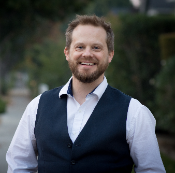 Brian Ciach
Music Theory
brian.ciach@sjsu.edu
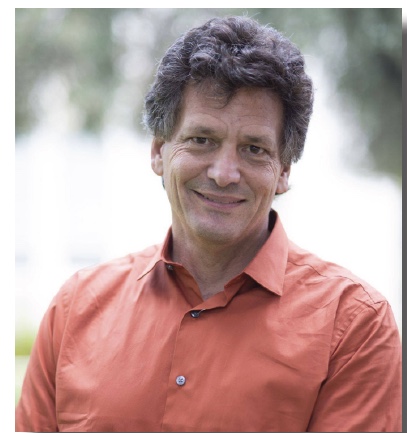 Dr. Fred Cohen
Director, School of Music and Dance; Orchestra
408-924-4677
fred.cohen@sjsu.edu
Audition Information
Follow the link below for more information on audition to the Composition and Music Technology program.
Frequently Asked Questions
How do I get accepted into the composition program?
- Undergraduates are expected to audition on their primary instrument or voice, and to submit a portfolio of representative original compositions (score and audio): 2 or more for undergraduates; 3 or more for graduates.
- Graduate applicants must submit a portfolio of representative original compositions (score and audio), and two letters of recommendation.
How do I audition for the composition program?
Bring or send a portfolio of compositions for varied instrumentation. For undergraduate studies you must audition in your primary instrument or voice.
When can I audition?
Audition times are found on the Audition link. Portfolio of scores and recordings may be sent anytime before your scheduled audition to Dr. Pablo Furman.
What should I include in my audition portfolio?
Scores and recordings if possible of at least two original works for undergraduates, three for graduates. Letters of recommendation (graduates only).
Do you accept students that write tonal music?
With enthusiasm.
What level of skill is expected?
Undergraduates: lower-division students should be able to demonstrate a basic skill level in structural and harmonic development. An example would be a simple work for solo instrument, duo, or a short piece for a small ensemble.
Will I be expected to write in an atonal music style?
All students develop their own particular style by the end of the program, whether it is tonal or not. We do not impose any particular style. However, all students must learn the principles of contemporary practices, including those characterized as “atonal.”
Do you teach pop music composition?
We offer studies in traditional and classical music composition. The rigorous and comprehensive composition training at SJSU enables students to write in any style. We have an excellent jazz studies program and students are encouraged to participate in it and compose jazz charts. However, this is not part of the requirements for the B.M. program in composition.
Do I need to know how to play an instrument?
All undergraduate B.M. students, including composition majors, must take applied instrument or vocal lessons and perform in a major ensemble each semester they are enrolled in composition applied lessons. Thus, they need to audition in their instrument of choice or voice.
Is the Music Technology emphasis like a “recording engineering” degree?
Sound and music recording is one of the areas of specialty offered, and students in the program are trained in a range of sound and music creative skills. Examples are sound synthesis, computer interaction, live and studio recording of various types of ensembles and soloists (classical and jazz style recording techniques), creative sound/music editing, sound design, and script programming as related to sound synthesis and design.
How do I audition for the B.A. with focus in Music Technology?
Freshman BA majors must audition on their primary instrument or voice. In addition, students will interview with area faculty who will assess your readiness for the program. Since this is a music program, students must be functioning musicians (able to read music). Also, students need to demonstrate facility with music technology (demonstrated during the interview). This is a music program focused on the artistic and creative aspects of the craft. We place emphasis on listening skills and musical acuity - skills that characterize all good musicians.
Do I need to audition for the Music Minor with a focus in Music Technology?
No. The Music Minor is a path for those who already have a non-Music Major and want to complement their studies with solid training in technology as it relates to sound and music. The Music Minor offers access to all our technology courses, as well as the ability to participate in collaborative sound and multimedia projects in the Music School and other areas of the University. Students take a minimum of music specific courses. Contact the Music Minor Advisor for more details.
What kind of software do you utilize?
We use a variety of softwares. Our methodology is to teach concepts and creative approaches to music and sound projects and develop skills independent of specific technologies, which may soon become obsolete. We operate four audio studios, two dedicated to music synthesis and sound design, and two for recording and digital audio editing. We use Apple computers with professional audio interfaces. The synthesis studios are equipped with 8.1 sound systems; Logic; Kyma; Max-MSP; ProTools; Bias Peak; Native Instruments software package that includes Reaktor, Digital Performer, and related programs; and a variety of hardware synthesizers. For live sound diffusion we use a 4,000+ Watt (continuous) sound system, including eight active 3-way speaker columns, large subwoofer, stage monitors, Yamaha digital console, plus dedicated outboard room EQ and related gear.